
Fingerboard Obstacles: Types, Sizes, and What to Look For
A buyer and seller guide to rails, ledges, ramps, boxes, desk setups, and DIY obstacles.
Buy on Kingpin Market
Top stories
A buyer and seller guide to rails, ledges, ramps, boxes, desk setups, and DIY obstacles.
Types of fingerboard obstacles
Obstacles are the objects a fingerboarder slides, grinds, manuals, or rolls over to link tricks. Most setups combine a few core categories.1, 2
- Rails: long, thin metal pieces for slides and grinds. Sub-types include round rails, flat (square/rectangular) rails, and angled or kinked rails. Often mounted to a wood or plastic base for stability.
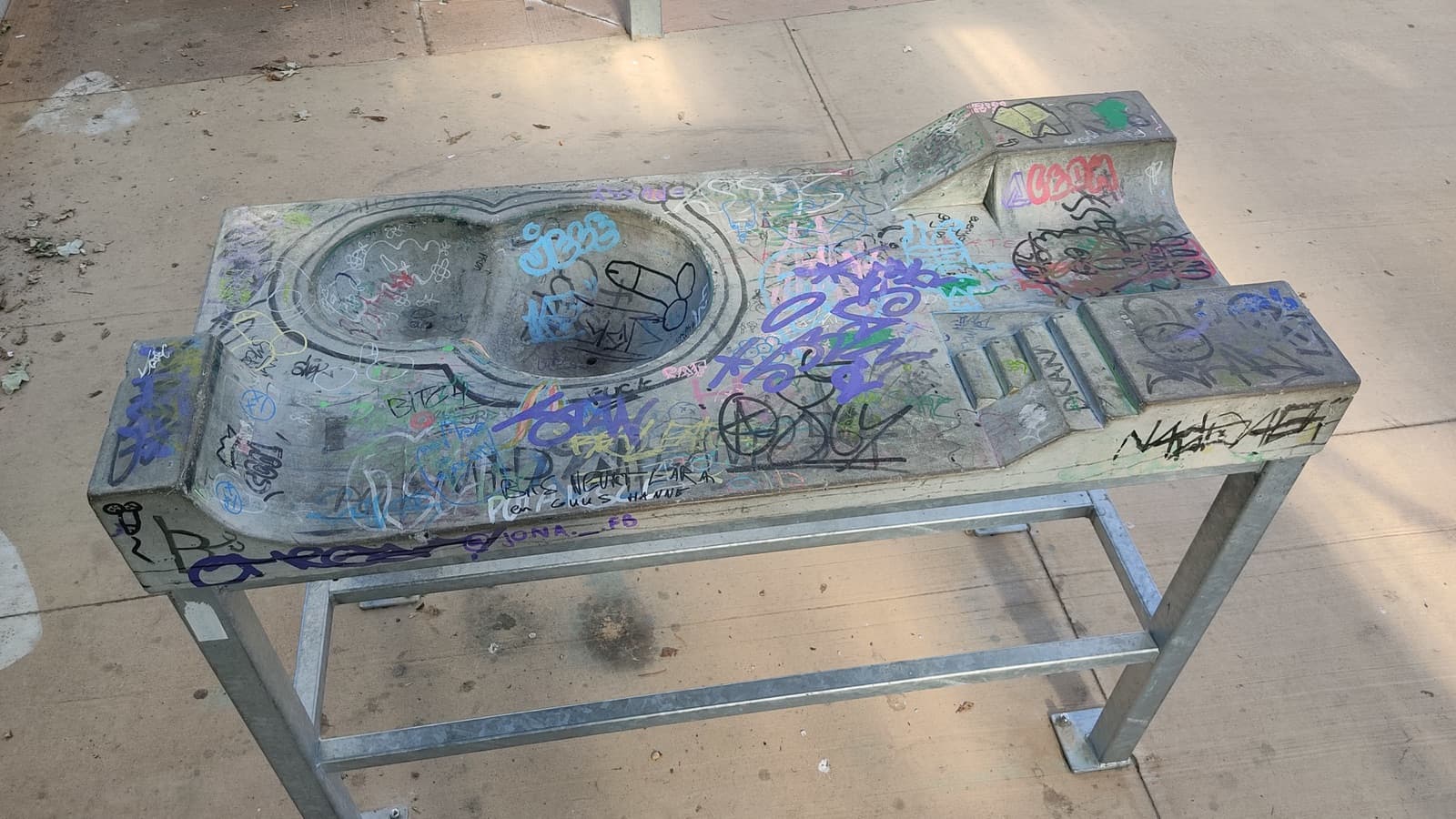
- Ledges and curbs: solid flat-topped surfaces for grinds, slides, manuals, and combos. Common materials are wood, marble/stone, concrete, and plastic. Wax ledges are surfaced or waxed for smoother slides.
- Ramps: transition pieces including quarter pipes, mini ramps, banks, and kickers. Quarter pipes provide a curved vertical transition; banks are straight angled inclines; kickers are small launch ramps.
- Manual pads: low, flat raised platforms used to practice manuals and link tricks between other obstacles.
- Boxes and funboxes: rectangular obstacles, sometimes with ledges or coping on the edges; funboxes combine multiple features (ledge plus rail, or ledge plus kicker) in one piece.
- Stairs and sets: stepped obstacles that change trick timing and are often paired with rails or ledges as a 'hubba'.
For buyers
For sellers
Documented obstacle sizes and dimensions
These dimensions are taken from brand product pages and authorized-retailer listings. Figures can vary slightly between listings and production runs, so sellers should measure the actual item rather than copying a spec sheet.3, 4, 5, 6, 7, 8, 9, 10, 11, 12, 13, 14
- Blackriver Box 1: approx. W 3.54 in x L 7.48 in x H 1.18 in (retailer-listed).
- Blackriver Box 4: approx. W 4 in x L 14.5 in x H 2.8 in (retailer-listed).
- Blackriver Brick Curb: approx. 12.99 in x 3.54 in x 2.76 in (retailer-listed).
- Blackriver Pocket Kicker: approx. W 3.54 in x L 4.92 in x H 1.57 in (90 x 125 x 40 mm; official/authorized-retailer listings).
- Blackriver Pocket Quarter: approx. L 4.68-4.72 in x W 7.8-7.87 in x H 2.93-2.95 in (official/retailer; figures vary by listing).
- Blackriver Quarter Low: approx. L 10.1 in x W 9.6 in x D 5.5 in (retailer-listed).
- Blackriver Extension Quarter: approx. L 10.24 in x W 9.6 in x H 7.48 in (retailer-listed).
- Teak Tuning XL Polebank (wood ramp with steel rail): 12 in long x 9.25 in wide x 4.5 in tall (retailer-listed).
- Teak Tuning Monument 'The Wave' (concrete): 2 in tall x 3.5 in wide x 4.25 in long.
- Teak Tuning Monument 'Lowboy 1.0' kicker (concrete): 1 in tall x 3 in long x 3 in wide.
- Teak Tuning rails: examples include an 11 in reverse-L 'Fence Style' rail and a 12.5 in rail with pole-jam entrance.
- Yellowood Mini wall (concrete): 2.5 cm wide x 30 cm long x 4.5 cm high, listed at 800 g with base stoppers included.
- WhytMykConcrete Mini Ditch: retailer-listed at 10 in x 12 in, with left/right variants based on pipe-wall placement.
- YEE CONCRETE A-Barrier: product data captured a 1,000 g variant weight and a $32 USD price snapshot; page copy describes a low-height barrier for fingerboarding.
- CreteDoctor Bird Bath: official category data captured a $250 USD price snapshot for the featured Bird Bath obstacle; custom concrete park obstacle commissions are listed as starting at $300 before complexity/size adjustments.
For buyers
For sellers
Still being verified
- Blackriver Box 1, Box 4, and Quarter dimensions are documented through authorized-retailer listings that mirror published specs, but Blackriver's own product pages were not directly re-captured in this pass.
Desk setup culture
Many fingerboarders build a 'spot' on a desk, table, or shelf and session it like a small skatepark. The community shares spot photos and DIY park builds widely, and there are collaborative maps of public and DIY spots.1, 15, 16
- A desk setup usually combines a flat riding surface with two or more obstacles arranged into lines.
- Obstacles are often placed parallel, staggered, or stacked so multiple tricks can be linked in one run.
- Riders protect the desk surface with a thin mat, cutting board, or piece of cardboard under the obstacles.
- The community has a strong DIY ethos, including hidden DIY fingerboard parks documented in skate media.
- Spot-sharing maps and groups let riders find and add real and DIY fingerboard spots.
For buyers
DIY obstacle making and materials
DIY is a core part of the obstacle scene. Documented builds range from quick cardboard ramps to cast concrete ledges. Materials affect feel, durability, and how the obstacle slides.17, 18, 19, 1, 20, 21
- Wood: maple and birch are documented as durable hardwood choices that resist warping; pine and other softwoods dent more easily. Sanding to a fine finish (e.g., 220+ grit) reduces friction.
- Plastic: lightweight and smooth; common for inexpensive ledges and rail bases.
- Metal rails: round or square steel/aluminum bar mounted to a base for grinds and slides; drawer handles are a documented improvised rail.
- Concrete / polymer-modified concrete: cast into ledges, banks, and kickers for a realistic feel and weight that helps pieces stay put.
- Cardboard: a documented low-cost starter material (e.g., a cereal box) assembled with glue and tape for ramps and banks.
- Tile and grout: documented for simple ledge-style obstacles, sometimes finished with grip tape for stability.
- Foam/grip tape and wax: used to surface or wax ledges for smoother slides ('foam tape wax' setups).
- Household stand-ins: textbooks add height quickly; marble trays add weight that keeps a ledge in place.
- Concrete-adjacent materials: Harrier is a useful reminder to verify material claims. FlatFace describes Harrier as its own long-running material and lists the category under Stone, so sellers should not flatten it into a generic concrete claim.
For buyers
For sellers
Obstacle brands (reference only)
Several brands produce fingerboard obstacles at different price, size, material, and realism points. Brand pages are referenced here for documented facts only; no ranking, value, rarity, or authenticity claim is made.2, 22, 9, 8, 13, 14, 12, 10, 11, 21, 20, 23
- Blackriver Ramps: German brand that describes itself as making professional wooden fingerboard obstacles, handmade in Germany; broad catalog of boxes, curbs, quarter pipes, rails, ledges, and kickers.
- Blackriver Concrete: official concrete category with street-reference pieces such as Parking Block, Jersey Barrier, Kink Barrier, Wallie Pylon, and ceramic/concrete transition pieces. Captured price snapshots ranged from EUR 17.95 to EUR 37.95, depending on model.
- Winkler ramps: Blackriver signature-ramp models (for example, Winkler Mini DOS and Winkler 80's Tribute), not a separate obstacle manufacturer.
- Teak Tuning: US-based brand with rails and ramps in steel, plastic, wood, and concrete, plus the hand-poured polymer-modified-concrete Monument Series.
- CreteDoctor: US maker with a dedicated concrete-obstacles category; captured examples include Bird Bath variants and custom concrete park obstacle commissions starting at $300 before complexity and size adjustments.
- YEE CONCRETE: Korean YEE Fingerboard Store line; the captured A-Barrier page lists vendor YEE CONCRETE, describes a low-height barrier, warns handmade sizes can vary, and showed a $32 price snapshot.
- Yellowood: Portuguese fingerboard brand whose concrete Mini wall product page documents a 30 cm-long, 800 g concrete obstacle with base stoppers.
- WhytMykConcrete: concrete/realistic obstacle maker represented at The Vault; retailer copy credits Mike Clarke from Huntington Beach, California and describes handmade pieces with deliberately worn-looking realism.
- Harrier / FlatFace: stone/concrete-adjacent obstacle material reference. FlatFace says Harrier Material was created by Harald Schoen in Germany, original since 2010, made in the USA with FlatFace in small hand batches, and completely handmade.
- Mini Materials: retailer/maker of concrete-style fingerboard ledges and park obstacles.
- ABC Parks: US (Michigan) maker of handmade fingerboard parks and ledges — birch-ply bases with painted aluminum coping and rails, modular park systems, Letter Ledges, and commissioned builds; founded by Adrian Herrera.
- DIY / handmade makers: a large part of the obstacle ecosystem; many obstacles are one-off builds sold within the community.
For buyers
For sellers
Still being verified
- Additional regional obstacle and ramp makers may exist; add only sources with accessible product pages, verified maker pages, or authorized-retailer listings.
What to look for when buying used obstacles
Used obstacles are durable but can develop condition issues that affect slide quality and safety of the trick surface. Check these before buying.17, 1, 10, 11
- Warping: wood and some boards warp with moisture or heat; a warped ledge or ramp will not sit flat. Ask for a photo on a flat surface.
- Rail damage: bent, scratched, or loose rails grind poorly. Check that rails are straight and firmly attached to the base.
- Surface wear: deep gouges, chipped coping, or worn finish change how the obstacle slides.
- Cracks and chips: especially on concrete, brick coping, and edges of wood pieces.
- Concrete details: look for repaired corners, hairline cracks through thin walls, chipped coping, missing rubber feet/stoppers, and dusting or flaking sealant.
- Missing hardware: screws, mounting bolts, or feet that attach rails or join modular pieces.
- Loose joints: on funboxes and multi-part obstacles, check that sections are still tight.
- Stability: heavy materials (concrete, weighted bases) stay put; lighter DIY pieces should still be solid.
- Shipping risk: heavy concrete and park pieces need protective packing around corners, not just bubble wrap around the whole obstacle.
For buyers
What sellers should include in obstacle listings
A clear obstacle listing reduces buyer questions and post-sale disputes. Include the same core details buyers need to evaluate fit and condition.1, 9, 17, 22, 13, 12, 10, 11
- Dimensions: length x width x height, with the unit stated; note if measured rather than from the catalog.
- Material: wood (and species if known), plastic, metal, concrete, or mixed.
- Rail type: round, flat/square, or angled/kinked, plus rail material and how it is mounted.
- Obstacle category: rail, ledge, curb, ramp/quarter/bank/kicker, manual pad, box, or funbox.
- Brand and model if known, or clearly state DIY/handmade.
- Product line and snapshot context: include sub-line/model details like Blackriver Concrete, CreteDoctor Bird Bath, YEE A-Barrier, Yellowood Mini wall, WhytMyk Mini Ditch, or Harrier, but do not imply current retail price from an old receipt or listing.
- Condition: warping, rail straightness, surface wear, concrete chips/cracks, missing rubber feet/stoppers, and any missing hardware.
- Shipping: call out heavy concrete weight, corner protection, and whether original packaging or a wooden/product box is included.
- Photos: top surface, rail/coping close-up, the obstacle on a flat surface, and any damage.
For sellers
On the Kingpin marketplace
References
Numbered references to the brand, retailer, and community pages that back this article. The label notes how firmly each source is established.
Community/retailer guide categorizing obstacles: rails (slides/grinds), ledges and curbs (combos/manuals/grinds), stairs (timing), ramps (transition), and mixed obstacles (funboxes). Notes DIY drawer-handle rails, textbooks/marble trays for ledges, and desk-protection with a mat or cardboard.
Official ramp/obstacle catalog. Blackriver describes itself as making professional wooden fingerboard obstacles, handmade in Germany. Catalog includes boxes, curbs, quarter pipes, rails, ledges, kickers, and transition pieces.
Box 4 listed at W 4 in x L 14.5 in x H 2.8 in; Box 1 listed at W 3.54 in x L 7.48 in x H 1.18 in. Retailer-sourced dimensions mirror Blackriver specs, but official product pages were not directly re-captured in this pass.
Brick Curb (handmade wood with real brick coping, flat-to-up kinked ledge) listed at 12.99 in x 3.54 in x 2.76 in. Retailer listing.
Pocket Quarter dimensions documented around L 4.68-4.72 in, W 7.8-7.87 in, H/D 2.93-2.95 in across official and authorized-retailer listings. Exact figures vary slightly by listing.
- 6.Blackriver Quarter Pipe / Quarter Low dimensions (retailer)— 6Skates / authorized retailersRetailer↩
Quarter Low listed around L 10.1 in, W 9.6 in, D 5.5 in; Extension Quarter around L 10.24 in, W 9.6 in, H 7.48 in. Retailer-sourced dimensions mirror published specs, but official product pages were not directly re-captured in this pass.
XL Polebank handmade wood ramp with round steel rail along the top: 12 in long, 9.25 in wide at widest, 4.5 in tall.
Monument Series obstacles hand-poured in the USA from polymer-modified concrete. The Wave: 2 in tall, 3.5 in wide, 4.25 in long. Lowboy 1.0 Kicker: 1 in tall, 3 in long, 3 in wide.
Teak Tuning catalog of rails and ramps in steel, plastic, metal, wood, and concrete. Rail examples include 11 in 'Fence Style' reverse L-shaped rail and a 12.5 in rail with pole-jam entrance.
Official Yellowood product page for the Mini wall, part of the Yellowood concrete line. Captured description lists width 2.5 cm, length 30 cm, height 4.5 cm, weight 800 g, base stoppers included, and a note that small imperfections/bubbles may not affect performance. Captured price was $17 USD.
Retailer product page says WhytMykConcrete was started in Huntington Beach, California by Mike Clarke and emphasizes handmade, deliberately worn-looking realistic obstacles. Captured Mini Ditch details list a 10 in x 12 in footprint and a $154.95 USD price snapshot.
Official YEE CONCRETE A-Barrier product page. Captured product data lists vendor YEE CONCRETE, price $32 USD, compare-at price $48 USD, a 1,000 g Shopify variant weight, and copy describing a low-height obstacle for fingerboarding. The page warns size can vary because it is handmade.
Official concrete-obstacles category. The captured category listed Bird Bath obstacle variants and an item-list schema for 'Bird Bath - Random Custom' and 'Bird Bath - Run of the Mill'; the category metadata showed a $250 USD price snapshot for the featured Bird Bath image.
Official commission page for custom concrete park obstacles. Captured copy states commissioned concrete park obstacles start at $300 and increase with complexity, size, and obstacles included.
Community-maintained map of fingerboard spots and DIY parks, reflecting the desk-setup and spot-sharing culture.
Editorial coverage of DIY fingerboard park culture; supports the documented DIY/community ethos around building setups.
- 17.How to Choose the Best Fingerboard Obstacle Wood for Realistic Street Tricks— Alibaba GuidesCommunity↩
General buying guidance: inspect wood obstacles for knots, cracks, and warping; hardwoods (maple/birch) resist warping; softwoods (pine) dent more easily; sanded finishes (220+ grit) reduce friction; wood is moisture-sensitive. Treat as general guidance, not brand-specific fact.
DIY guide documenting cardboard (e.g., cereal box) ramp construction with glue and tape as common low-cost materials.
DIY guide documenting concrete casting for fingerboard obstacles such as ledges and ramps.
Retailer of concrete/material fingerboard ledges and obstacles; supports the documented use of concrete and mixed materials for park pieces.
FlatFace collection copy describes Harrier Material as original since 2010, created by Harald Schoen in Germany, made in the USA with FlatFace in small hand batches, and listed under FlatFace's Stone navigation. Include as a stone/concrete-adjacent obstacle material reference rather than treating it as ordinary cast concrete.
Official Blackriver Concrete category. Captured product-card data included concrete and ceramic street-reference pieces such as Concrete Parking Block 2.0 (EUR 25.95), Concrete Jersey Barrier (EUR 31.95), Concrete Kink Barrier (EUR 37.95), Ceramic Quarter (EUR 34.95), Wallie Pylon (EUR 22.95), and older Parking Block listings as low as EUR 17.95. Prices are snapshots only.
Official ABC Parks site; handmade Michigan fingerboard parks and ledges with birch-ply bases and painted aluminum coping/rails (modular systems, Letter Ledges, commission builds). Founder Adrian Herrera; ships worldwide.
Pocket Kicker described as the smaller version of the Street Kicker; portable and combinable with other obstacles. Dimensions documented around W 3.54 in x L 4.92 in x H 1.57 in (90 x 125 x 40 mm) across official and authorized-retailer listings.
Keep reading
Setup basics
Beginner Completes: What Makes a Good First Fingerboard Setup
Help new buyers understand what parts are included and what specs and photos matter when evaluating a complete fingerboard listing.
Buying smart
Used Fingerboard Listings: What Photos and Specs Should Show
What to look for in used listing photos and how sellers should document condition.
Recommended
Beginner Completes: What Makes a Good First Fingerboard Setup
Setup basics
Used Fingerboard Listings: What Photos and Specs Should Show
Buying smart
Deck Widths Explained: How to Choose and Compare Fingerboard Sizes
Decks
Trucks and Deck Compatibility: A Buyer-Friendly Guide
Trucks
Wheels Explained: Choosing Fingerboard Wheels
Wheels
Recent posts
Beginner Completes: What Makes a Good First Fingerboard Setup
Setup basics
Deck Widths Explained: How to Choose and Compare Fingerboard Sizes
Decks
Trucks and Deck Compatibility: A Buyer-Friendly Guide
Trucks
Wheels Explained: Choosing Fingerboard Wheels
Wheels
Tuning Your Setup: Bushings, Pivot Cups, Grip, and Hardware
Tuning
Rare Drops and Limited Graphics: How to Read Limited Releases
Buying smart